
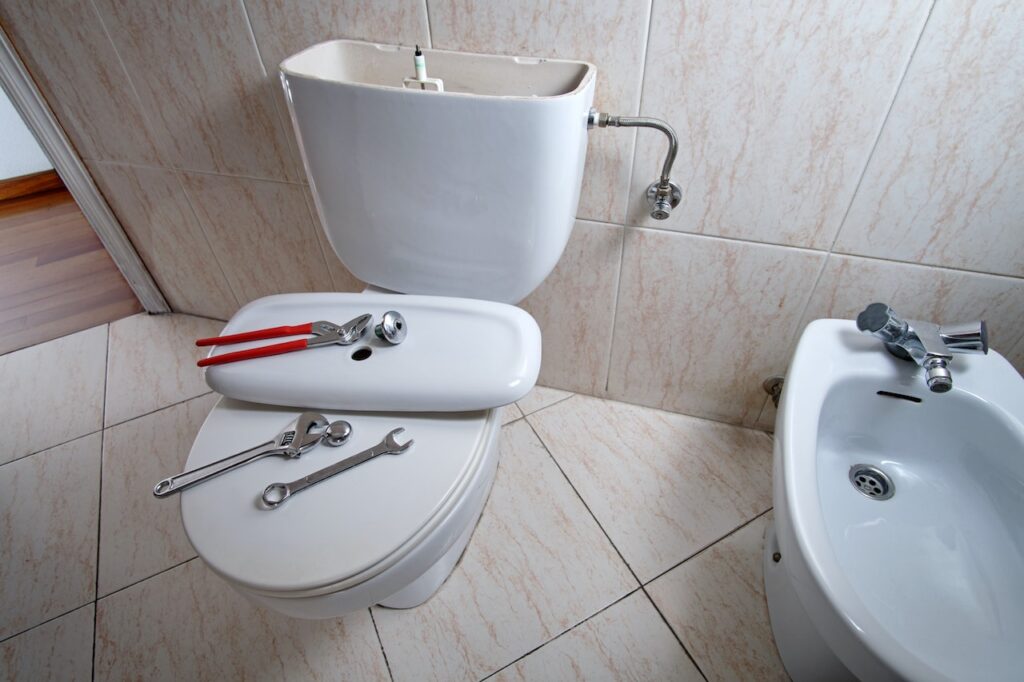
A running toilet is easy to ignore. It is not dramatic, it does not flood the bathroom, and the faint hiss in the background fades into the noise of a busy house. But that quiet sound is water going straight down the drain, and over a billing cycle it adds up faster than most homeowners expect.
A single toilet that runs continuously can waste hundreds of gallons a day. If your summer water bill climbed and you cannot explain why, a toilet is one of the first places worth checking. Here is how to tell, and how to fix it.
How Much Water a Running Toilet Wastes
The numbers surprise people. A toilet with a worn flapper or a stuck valve can leak anywhere from a few gallons an hour to a steady stream that never stops. At the high end, that is well over a hundred gallons a day from one fixture.
Because it runs day and night without anyone using it, a running toilet is one of the most common reasons for a high water bill that seems to come out of nowhere. The waste is invisible, but the cost is not.
Why Toilets Start Running
Most running toilets come down to a few inexpensive parts inside the tank. The flapper, the rubber seal at the bottom, hardens and warps over time and stops sealing, so water leaks from the tank into the bowl.
A fill valve that does not shut off properly will keep adding water past the line, sending the overflow down the tube. A float set too high or a chain that is tangled or too short can cause the same thing. None of these is a major failure, but each one wastes water until it is corrected.
The Quick Test Anyone Can Do
You can confirm a silent leak in a few minutes. Put a few drops of food coloring in the tank, wait ten to fifteen minutes without flushing, and check the bowl. If color appears in the bowl, water is leaking past the flapper and the seal needs attention.
It is also worth lifting the tank lid and watching a flush cycle. If the water keeps running well after the tank refills, or if you hear it cycle on its own now and then, the fill valve or flapper is the likely cause.
Fixes You Can Try Yourself
Some running toilets are a simple repair. Replacing a worn flapper is inexpensive and within reach for many homeowners, as is adjusting a float that sits too high or untangling a chain that is catching.
If a new flapper and a float adjustment do not stop it, the fill valve or another internal part is probably worn, and the repair gets a bit more involved. That is the point where calling a plumber usually saves time and frustration.
When It Is More Than the Flapper
Sometimes the running is a symptom of something bigger. An old toilet that needs constant tinkering, a cracked tank, or a flush valve that no longer seats properly may be telling you the fixture has reached the end of its useful life.
Newer toilets also use far less water per flush than models from a couple of decades ago, so replacing a problem toilet can lower your bill beyond just stopping the leak. We can tell you whether a repair will hold or whether replacement is the smarter move.
Stop Paying for Wasted Water
A running toilet is one of the cheapest plumbing problems to fix and one of the most expensive to ignore. Every day it runs, it is adding to a bill you never see the benefit of.
If you cannot track down the cause or the fixes are not holding, it is worth having it handled properly. The repair almost always costs less than another month of wasted water.
Frequently Asked Questions
How much water does a running toilet waste?
It varies with the cause, but a continuously running toilet can waste anywhere from a few gallons an hour to well over a hundred gallons a day. Because it runs around the clock without anyone using it, even a slow leak adds up quickly and often shows up as an unexplained jump in the water bill.
Why does my toilet keep running after I flush?
The most common reason is a worn flapper that no longer seals, so water leaks from the tank into the bowl and the fill valve keeps topping it off. A fill valve that does not shut off, a float set too high, or a tangled chain can cause the same thing. These are usually inexpensive parts to replace.
How do I test for a silent toilet leak?
Put a few drops of food coloring in the tank, wait ten to fifteen minutes without flushing, then look in the bowl. If color has seeped into the bowl, water is leaking past the flapper and the seal needs to be replaced. It is a quick way to catch a leak you cannot hear.
Should I repair or replace a constantly running toilet?
If the problem is a worn flapper, fill valve, or float, a repair is usually all you need. But an older toilet that needs frequent tinkering, has a cracked tank, or no longer seats properly may be worth replacing, especially since newer models use far less water per flush and can lower your bill.
Toilet Running Up Your Bill?
Delta Plumbing has repaired and replaced toilets across Atlanta for more than four decades, and we will tell you honestly whether yours needs a quick fix or a replacement. We carry the parts to handle most repairs on the first visit, with financing available when you need it.
Schedule service online or call (770) 474-5555 to stop paying for water you are not using.