
Waterline Repair and Installation Atlanta — Everything Need to Know
Waterline problems can quickly turn into costly headaches — from hidden water damage to higher utility bills. This practical guide gives homeowners clear, useful information about waterline repair and installation: how to spot trouble, what repairs typically cost, which pipe materials work best, simple DIY fixes, the installation steps, and routine maintenance that helps prevent future failures. Tackle issues early and you’ll save time, money, and stress.
What Are the Signs of Water Line Problems Every Homeowner Should Know?
Spotting water line trouble early can prevent major repairs. Look for sudden jumps in your water bill, soggy or unusually green patches in the yard, and noticeable drops in water pressure. These common warning signs usually mean you should investigate or call a pro.
How to Detect Leaking Water Pipes and Low Water Pressure
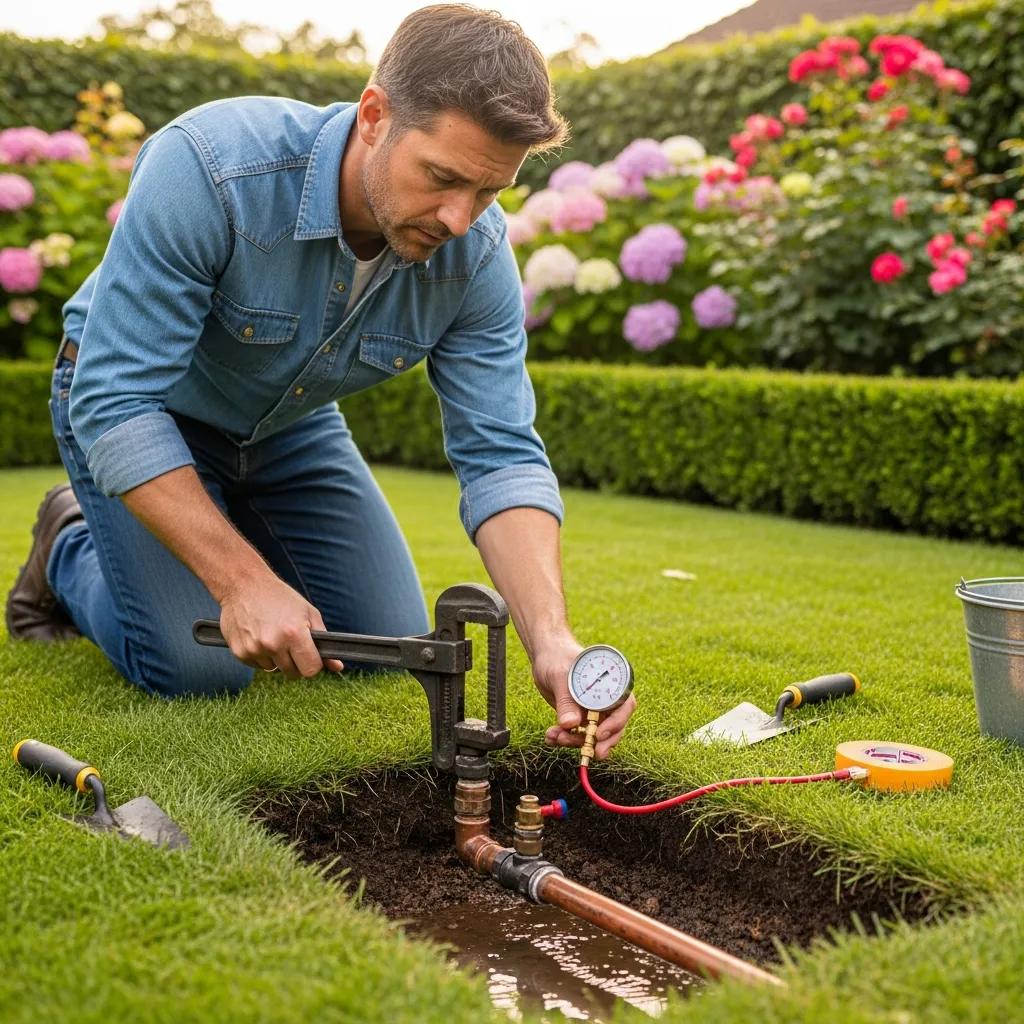
There are a few straightforward ways to check for leaks and low pressure. Start by watching your water meter — an unexplained increase in usage when no one’s using water often points to a leak. Visually inspect any exposed pipes for moisture, rust, or corrosion. You can also use a pressure gauge to measure household water pressure and compare it to normal ranges for your plumbing.
How Much Does Water Line Repair and Replacement Cost in Metro Atlanta?

Costs vary by job size and location, but typical water line repairs or replacements in Metro Atlanta fall roughly between $1,000 and $4,000. Exact pricing depends on how extensive the damage is, the material you choose, and labor or access challenges on the property.
What Factors Influence Main Water Line Repair and Replacement Prices?
Several things affect the final price:
- Material Costs: Different pipe types — copper, PEX, or PVC — have very different price points and installation needs.
- Labor Costs: Experienced plumbers and local labor rates influence the total cost.
- Location-Specific Factors: How easy the line is to access, landscape restoration, and local permitting rules can add to the job.
Does Homeowners Insurance Cover Water Line Repairs?
Coverage depends on your policy. Many standard homeowners policies cover sudden, accidental damage but not gradual wear-and-tear or neglect. Check your policy details and speak with your insurer to confirm what’s covered and whether a separate endorsement is needed for service line protection.
What Are the Best Water Pipe Materials for Repair and Installation?
Copper vs. PEX vs. PVC: Pros, Cons, and Lifespan
| Material | Pros | Cons | Lifespan |
|---|---|---|---|
| Copper | Very durable; resists corrosion | Higher material cost; requires soldering | 50+ years |
| PEX | Flexible and quick to install | Can be damaged by UV and some pests | 40–50 years |
| PVC | Low-cost and corrosion-resistant | Not recommended for hot-water supply | 50+ years |
Copper is a long-lasting, reliable choice. PEX is easier to work with and often faster to install. PVC is economical for cold-water or drain lines but isn’t a fit where hot water is needed.
How to Choose the Right Pipe Material for Your Home Water Line
Pick a material based on your budget, local climate, and the job’s demands. Choose copper for longevity, PEX when you want flexibility and faster installs, and PVC for cost-effective cold-water or drainage runs. If you’re unsure, ask a licensed plumber for a recommendation tailored to your property.
How to Repair a Leaking Water Pipe: DIY Tips and When to Call a Professional
What Are Temporary Fixes for Water Line Leaks?
- Epoxy Putty: A reliable short-term patch for small pinhole leaks until a permanent repair can be made.
- Pipe Clamps: A hose-style clamp or repair sleeve can stop a minor leak quickly.
- Duct Tape: Only a last-resort, very temporary measure to slow a leak until help arrives.
When Is Professional Waterline Repair Necessary?
Call a professional when leaks are large, recurring, or affecting your foundation, walls, or yard. Also get professional help for ongoing low pressure that temporary fixes don’t resolve, or whenever the repair requires digging, pipe replacement, or permit work.
What Is the Process for Waterline Installation and Replacement?

Replacing or installing a waterline usually follows a predictable set of steps. Planning and permitting come first, followed by excavation or trenchless work, pipe replacement, testing, and site restoration.
How to Plan and Obtain Permits for New Water Line Installation
Start by checking local codes and permit requirements — many cities require permits for service-line work. A licensed plumber can handle permit applications and ensure the installation meets local standards and inspections.
What Are Trenchless vs. Traditional Water Line Replacement Methods?
| Method | Description | Benefits | Drawbacks |
|---|---|---|---|
| Trenchless | Replaces pipe with minimal digging by using the existing line as a guide | Less disruption to lawn and landscaping; faster completion | Higher upfront cost in some cases |
| Traditional | Excavates a trench to access and replace the pipe | Lower initial equipment cost; straightforward method | More landscape disruption and longer cleanup time |
Trenchless options reduce yard damage and shorten project time, but traditional digging may still be the best choice depending on access, pipe condition, and budget.
How Can Homeowners Maintain Water Lines to Prevent Future Problems?
Routine care goes a long way toward keeping water lines healthy. Regular checks and basic upkeep help you catch problems early and avoid emergency repairs.
What Are Preventative Water Line Maintenance Tips?
- Regular Inspections: Look for damp spots, unusual lawn growth, or changes in pressure.
- Clear Debris: Keep gutters and drainage clear to prevent water pooling near lines.
- Monitor Pressure: Watch for sudden changes in water pressure that could signal a developing leak.
How to Winterize Water Lines to Avoid Freezing and Bursts
- Insulate Exposed Pipes: Use foam sleeves or heat tape on pipes in unheated areas.
- Shut Off Outdoor Faucets: Turn off and drain exterior spigots before cold weather.
- Keep Heat Steady: Maintain indoor temperatures in areas with plumbing to reduce freeze risk.
Following these simple maintenance steps will extend the life of your water lines and reduce the chance of costly repairs down the road.